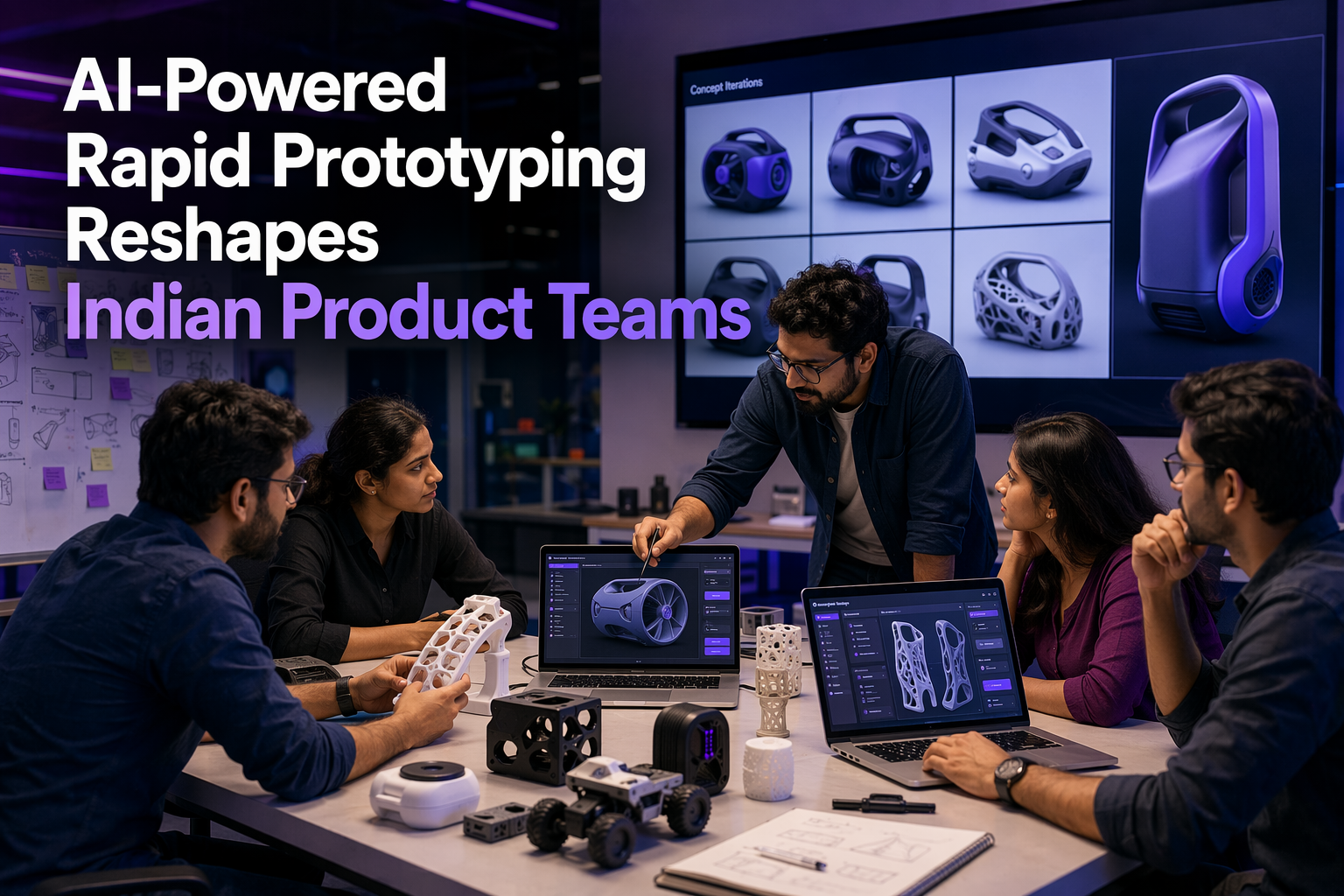
AI-Powered Rapid Prototyping Reshapes Indian Product Teams
Quick Summary: AI prototyping is helping Indian product teams test ideas faster and reduce costly rework. Companies like Autodesk are adding AI features to speed up design, simulation, and manufacturing checks. Many teams now outsource early prototyping to local bureaus, avoiding heavy equipment costs and enabling quicker iterations.
AI Prototyping is moving into daily work in India. Autodesk now calls India its third-largest Asia market and is adding AI Prototyping features, while Rapid Prototyping and 3D Printing India firms scale faster sample runs. The pain is slow iteration, not just tooling cost. Each extra loop delays launch and raises risk. This report tracks where AI Prototyping cuts concept-to-part time, based on current India market moves and product workflow shifts.
Why AI prototyping is catching on in India now
The signal is simple: Indian teams need to test more ideas with less waste. Autodesk now calls India a strategic market, with its Bengaluru center shaping Fusion product development and India becoming its largest headcount base outside the US, according to The Economic Times report. That matters because local support usually speeds up adoption.
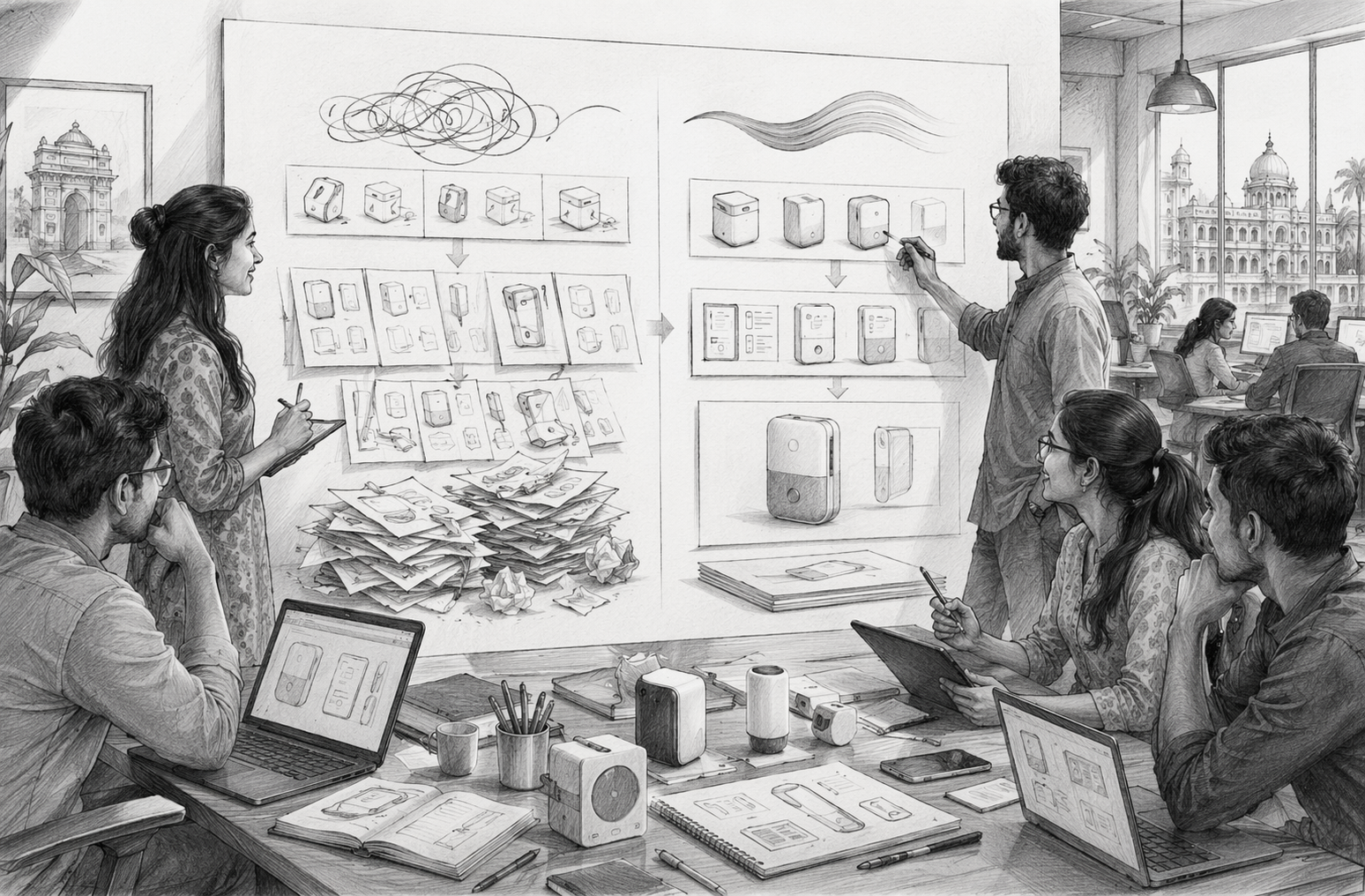
What teams are reacting to:
- Faster early decisions on fit, form, and manufacturability
- Lower rework because simulation moves upstream
- Cheaper access for startups and small firms buying tools online
Autodesk also says its India store now serves a creator base where startups, freelancers, and emerging businesses make up more than 50% of first-time customers, in a market with 958 million active internet users, as reported by The Economic Times.
This is why AI prototyping feels timely in India now – the software is easier to buy, teams are more digital, and speed beats perfect planning.
How product teams are using AI to compress the prototype loop
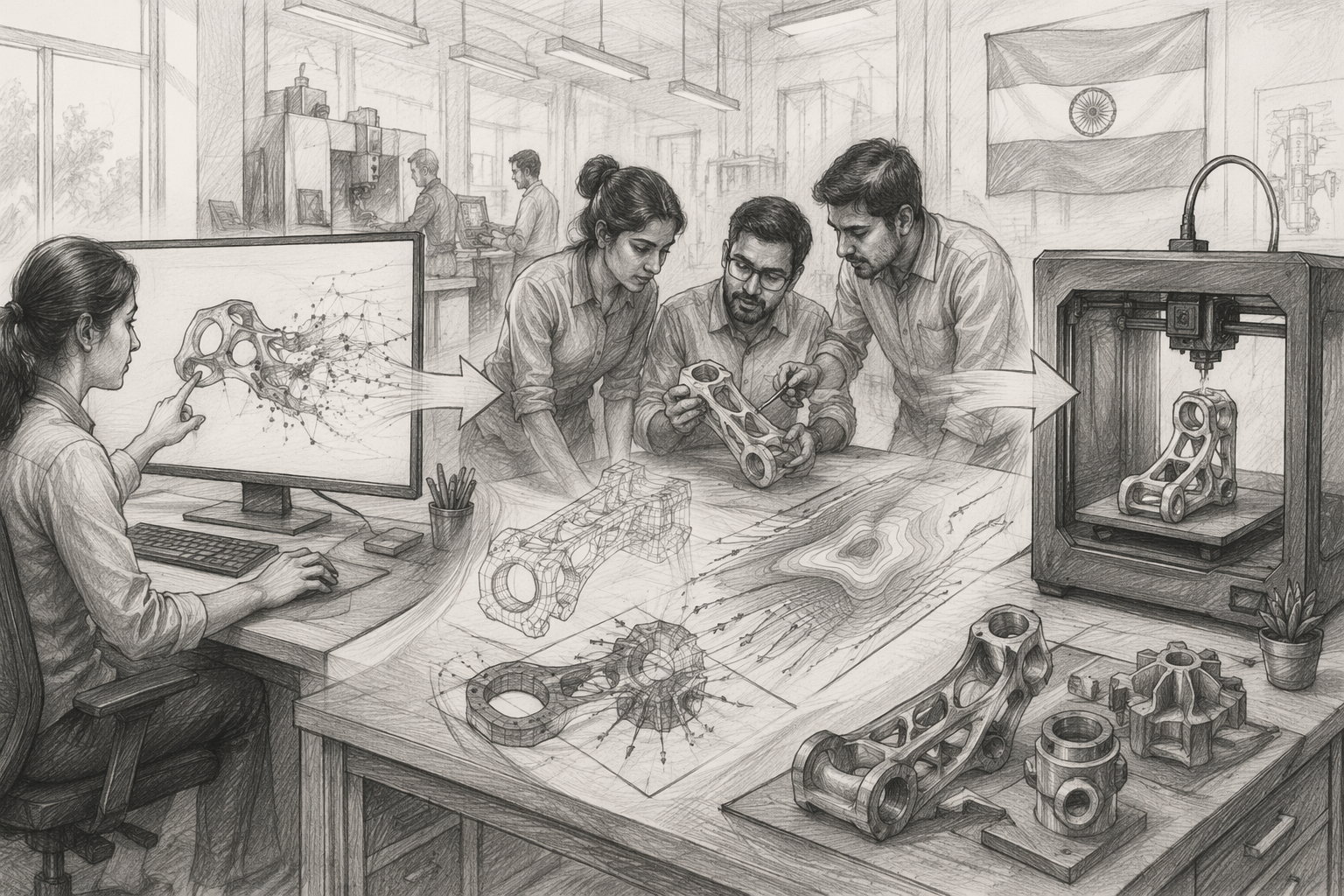
Teams now move from rough idea to test part in hours, not days. A common flow looks like this:
- Write a prompt with size, load, material, and cost limits.
- Let AI suggest CAD options and flag weak geometry.
- Run quick simulation before anyone prints.
- Send the best version to additive manufacturing.
This matters because speed alone is useless if the part cannot be made. Teams are using AI to check DFM, compare print orientation, and catch tolerance risks before the first build. TechCircle’s Ecozen case shows connected CAD, BOM, simulation, and manufacturing data reduced gaps that used to add 2 to 3 days of delay Ecozen and Autodesk Fusion.
For Indian teams, the win is not just faster prototypes. It is fewer dead-end prints and cleaner handoff to vendors like SN 3D Studios.
What Indian prototyping providers and manufacturers are signaling
Indian service bureaus are sending a clear message: teams want speed without buying every machine first. That fits a market where additive manufacturing in India is forecast to grow from $0.5 billion in 2026 to $1.4 billion by 2031.
The signal is practical:
- Outsource early when designs still change
- Use bureaus for DFM feedback, short runs, and finish work
- Bring production in-house only after part geometry and demand settle
Protolabs choosing Hyderabad for a digital manufacturing push shows India is becoming a serious base for faster product cycles, not just cheaper labor.
| Signal from providers | What it means for teams |
|---|---|
| Quote plus engineering review | Fewer bad prototype rounds |
| Multi-process service mix | Better fit for test, pilot, and bridge production |
| Local finishing and dispatch | Shorter lead times |
For teams in Hyderabad, a bureau like SN 3D Studios can cut risk before you commit to tooling or full internal capacity.
How teams should act on the shift
What to check before you adopt
Start small, not wide. Autodesk told ETManufacturing that AI and simulation can pull decisions earlier and cut rework in Indian product workflows by moving choices left in the process. Before you buy anything, check:
- Use case – concept review, DFM checks, test prediction, or vendor handoff.
- Data quality – bad CAD, weak BOMs, and messy version control will break results.
- Team fit – can design, engineering, and sourcing work in one loop?
- Physical validation – India’s additive market is still scaling fast, so prototype partners matter as services stay a key access model.
If you cannot compare AI output with one real prototype, wait.
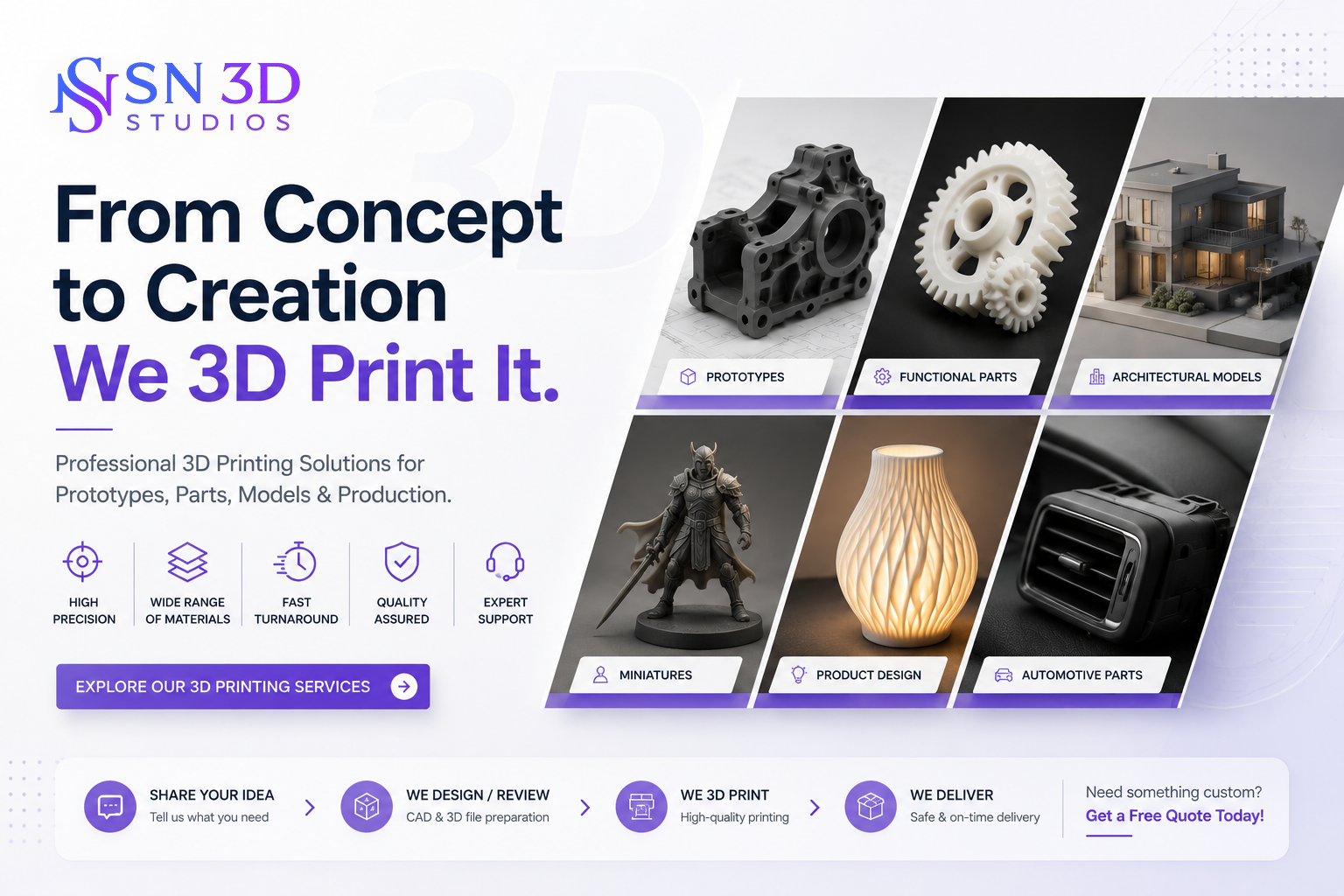
Need faster prototype cycles with real-world print support? Work with SN 3D Studios to turn AI-led concepts into precise parts, test models, and production-ready iterations across India.
Conclusion
AI prototyping now helps Indian teams test sooner, cut rework, and make better design calls. Autodesk says AI can shrink simulation from weeks to seconds in some workflows, while India remains a priority growth market ETManufacturing Business Standard.